
Vein & Wound Treatment
in Rancho Cucamonga
Minimally invasive treatments designed to help you move comfortably, heal faster, and feel confident again.
Why choose us?
Healthy legs. Better days. Greater confidence.
Whether you're dealing with painful varicose veins or a chronic wound that won't heal, our specialists help you get back to living comfortably and confidently.
Advanced Treatments
Expert solutions for vein and wound conditions

Personalized Care
Treatment plans tailored to your needs
Fast Recovery
Minimally invasive care with little downtime
Modern Technology
Advanced tools for precise diagnosis

Insurance Accepted
We accept many major insurance plans
Technologies we use
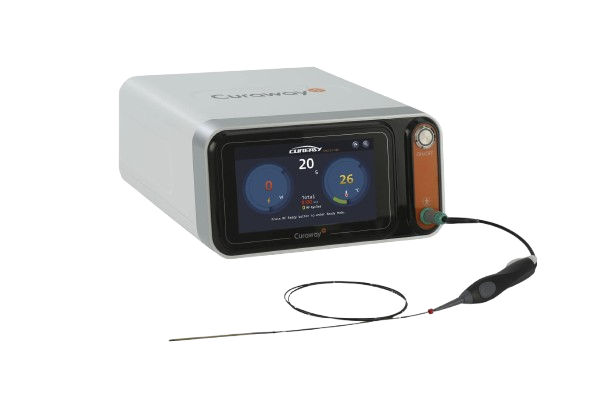
Radiofrequency Ablation (RFA) is a minimally invasive treatment used to close diseased veins that cause varicose veins, leg swelling, and discomfort. Using ultrasound guidance, a small catheter delivers controlled heat to seal the affected vein, allowing blood flow to reroute to healthier veins. The procedure is performed in-office with little downtime and is typically covered by insurance when medically necessary.
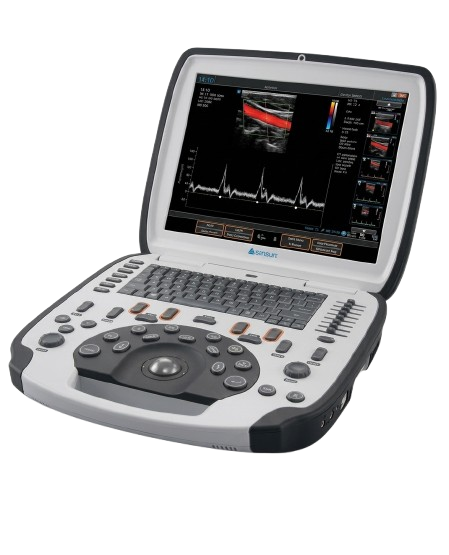
Ultrasound-Guided Sclerotherapy is a minimally invasive treatment used to close deeper or residual varicose veins. Using real-time ultrasound imaging, a specialized solution is injected directly into the affected vein, causing it to collapse and reroute blood flow to healthier veins. The procedure is performed in-office with minimal downtime and is often covered by insurance when medically necessary.
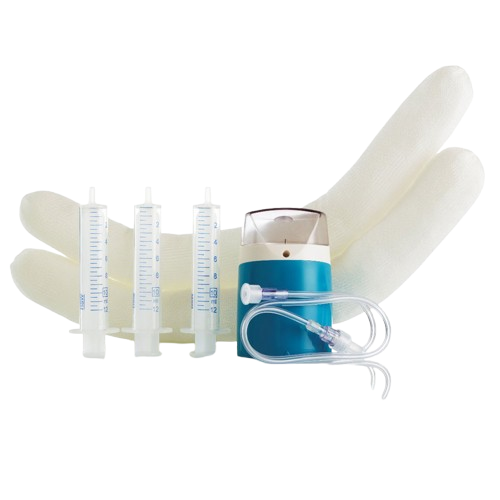
Varithena® is an FDA-approved injectable foam treatment used to close diseased veins that cause varicose veins and leg discomfort. Performed under ultrasound guidance, the medication is injected directly into the affected vein, allowing it to collapse and reroute blood flow to healthier veins. The procedure is done in-office with minimal downtime and is often covered by insurance when medically necessary.
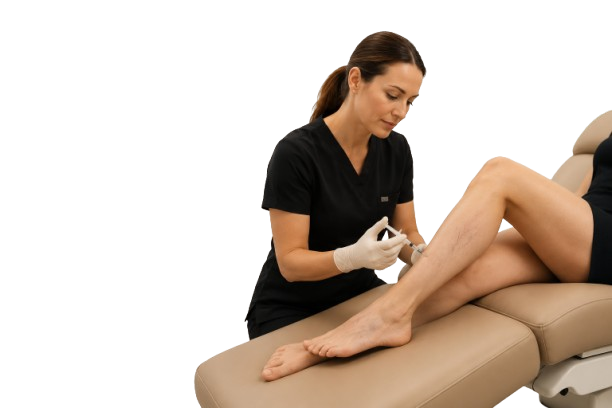
Cosmetic Sclerotherapy for Spider Veins is a non-surgical treatment used to improve the appearance of spider veins. A specialized solution is injected into the affected veins, causing them to gradually fade as blood is redirected to healthier vessels. The procedure is performed in-office with minimal downtime and is ideal for patients seeking aesthetic improvement.
See the Difference Vein Treatment Can Make
Every vein condition is unique. Explore illustrative before-and-after examples showing changes in the appearance of varicose and spider veins following treatment. Our approach focuses on personalized care, realistic expectations, and treatment options tailored to each patient's needs.
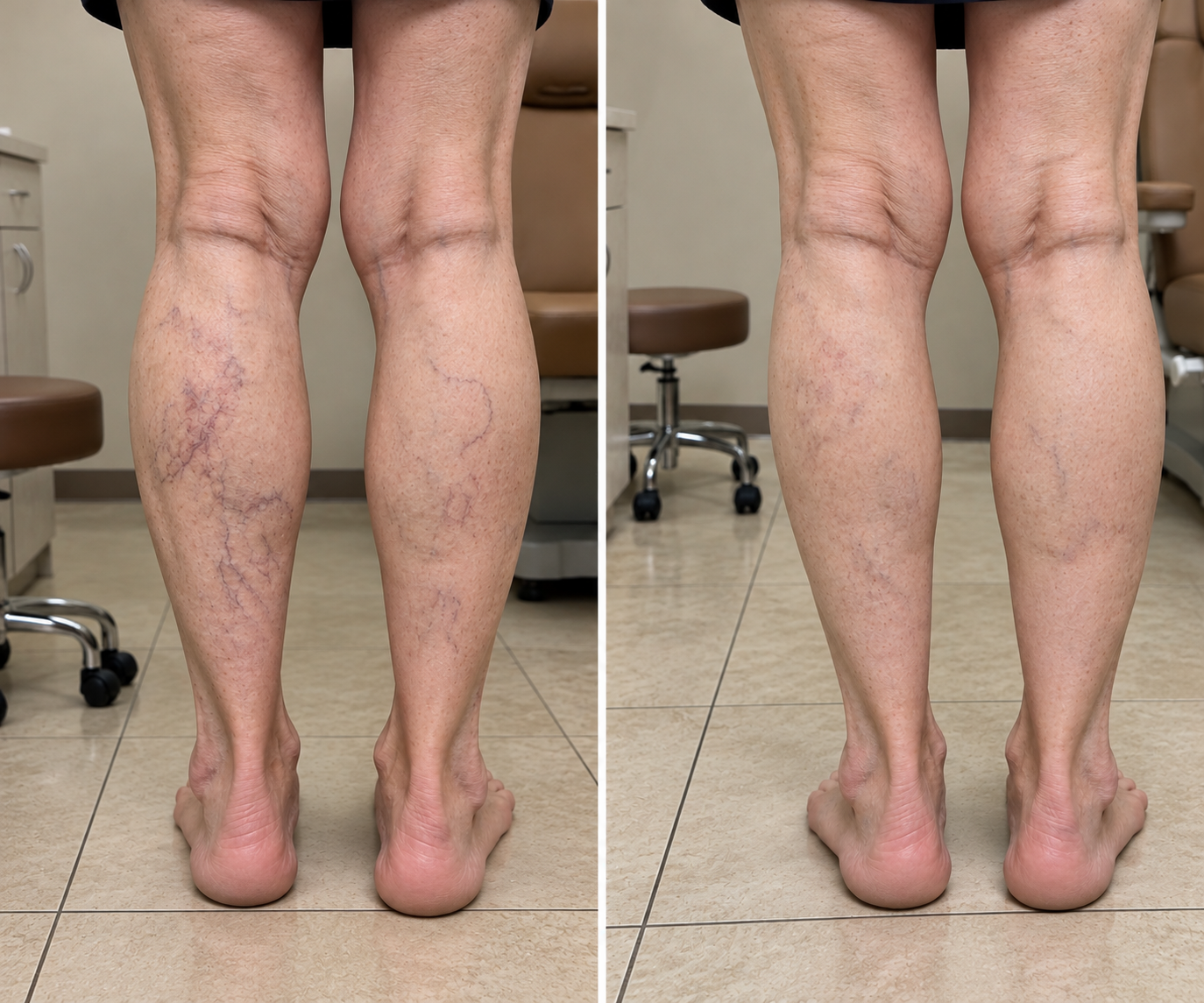
Patient: Elena M.
Age: 65
Condition: Spider Veins
Procedure: Sclerotherapy
Recovery Time: 1–2 days for usual activities
Elena wanted to reduce the appearance of branching purple veins across her lower legs. After completing her treatment course, the vein patterns became noticeably less prominent, particularly around the calves. Some faint spider veins remained visible, creating a subtle, believable improvement.
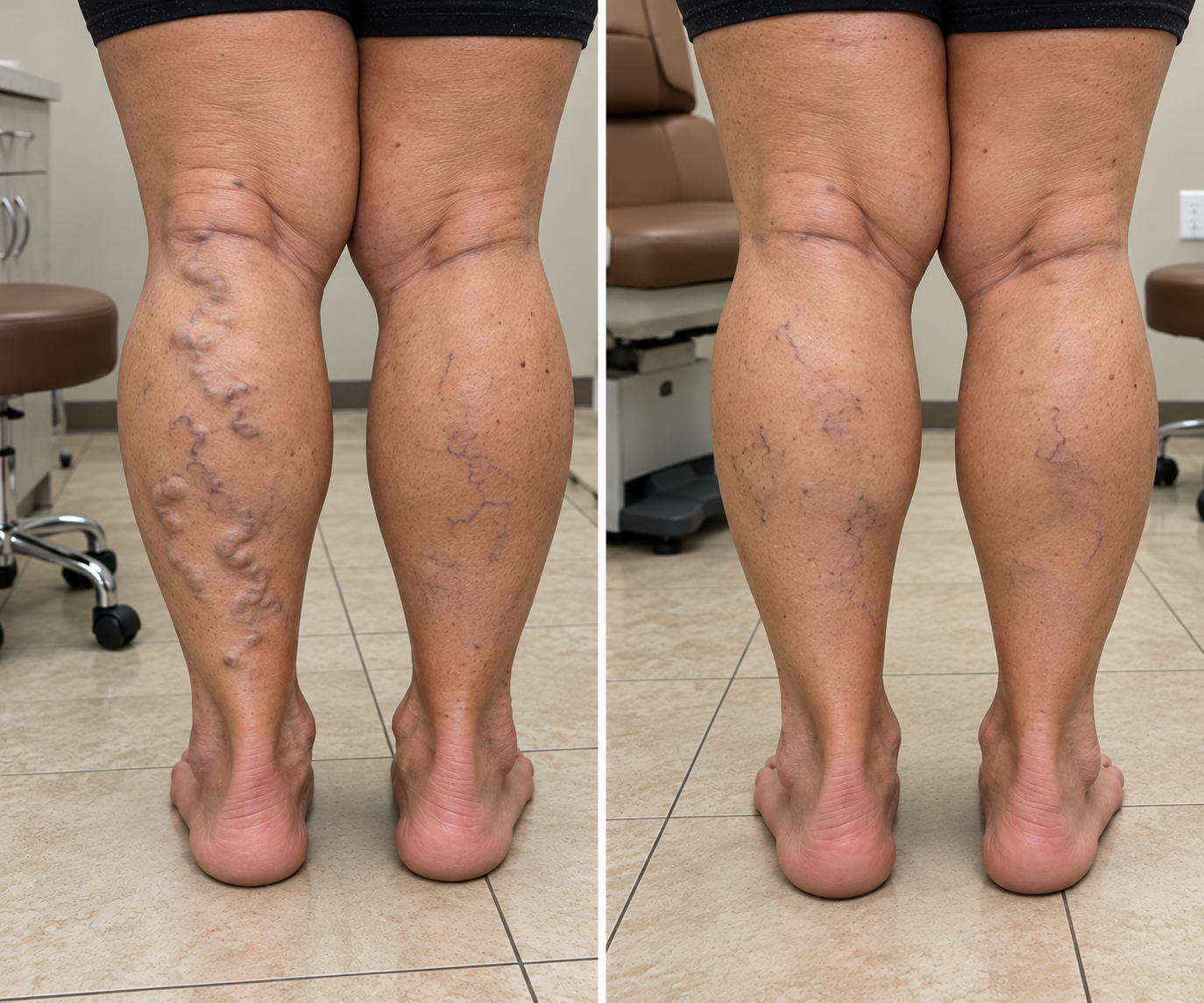
Patient: Barbara L.
Age: 42
Condition: Bulging Varicose Veins
Procedure: Endovenous Ablation and Ambulatory Phlebectomy
Recovery Time: 1–2 weeks
Barbara was bothered by enlarged, rope-like veins running down her left calf. Following treatment, the most prominent veins became flatter and less visible. Smaller veins and some residual discoloration remained, while the skin retained its natural texture.
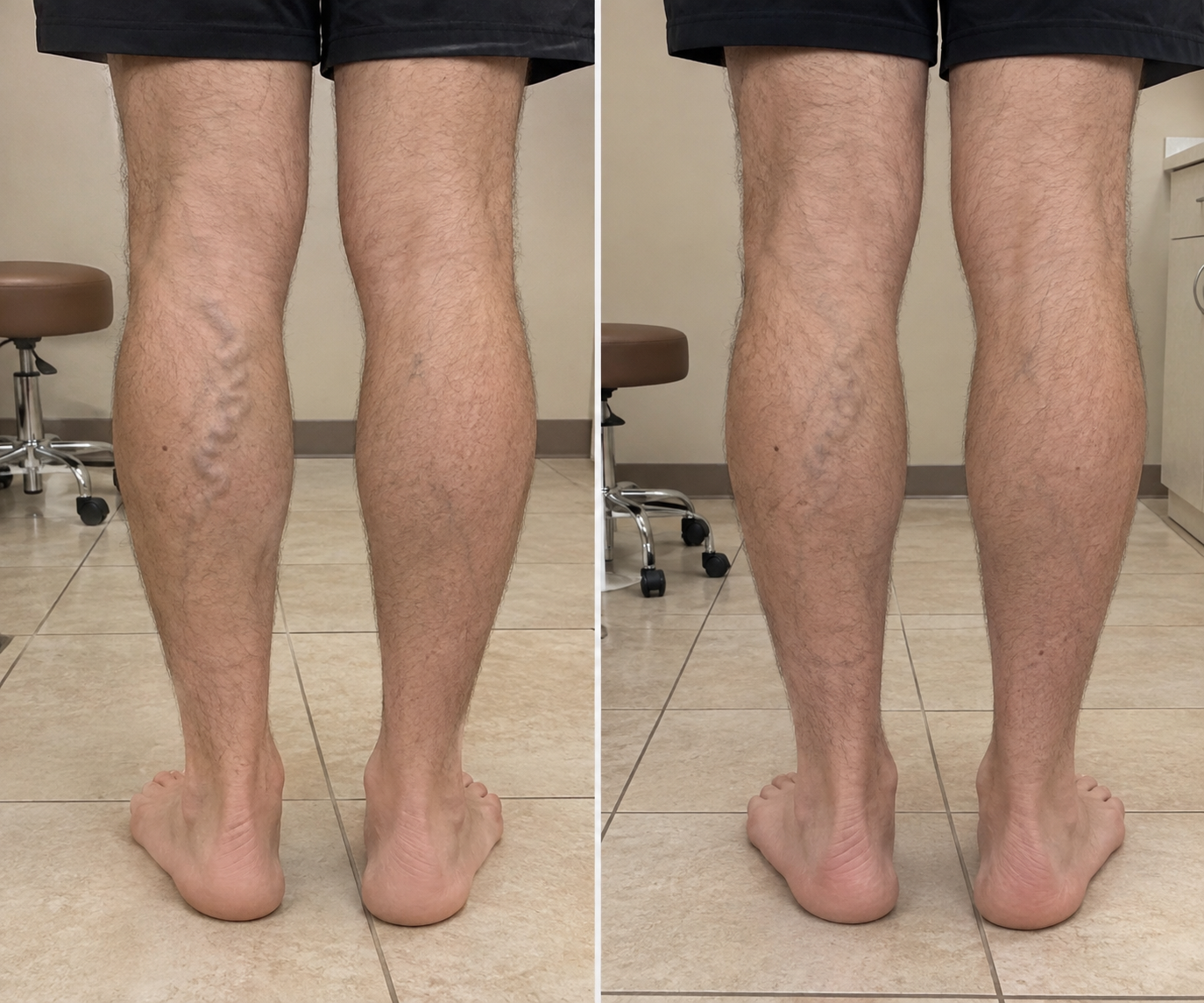
Patient: Daniel R.
Age: 40
Condition: Mild Varicose Veins
Procedure: Sclerotherapy
Recovery Time: 1–2 days for usual activities
Daniel noticed a slightly raised, twisted vein along his calf that became more visible when standing for long periods. He wanted to address the vein without significantly disrupting his daily routine. Following treatment, the vein appeared flatter and less noticeable, although faint residual discoloration and smaller visible veins remained.
Vein Treatment Process
01. Book Appointment
Schedule your convenient appointment online or by phone.
02. Consultation
Meet with our vein specialist to discuss your symptoms, medical history, and treatment goals.
03. Ultrasound Evaluation
A non-invasive ultrasound is performed to evaluate your veins and identify underlying issues.
04. Personalized Treatment Plan
We create a customized treatment plan tailored to your condition and lifestyle.
05. Treatment
Your procedure is performed in-office using minimally invasive techniques for optimal comfort.
06. Recovery & Follow-Up
Return to your normal activities quickly. We'll monitor your progress and ensure the best long-term results.
Insurance Plans We Accept
Plans shown below are some of the insurance providers we work with. Coverage and benefits vary by plan.




Don’t see your insurance listed?
Contact our team to verify your coverage.
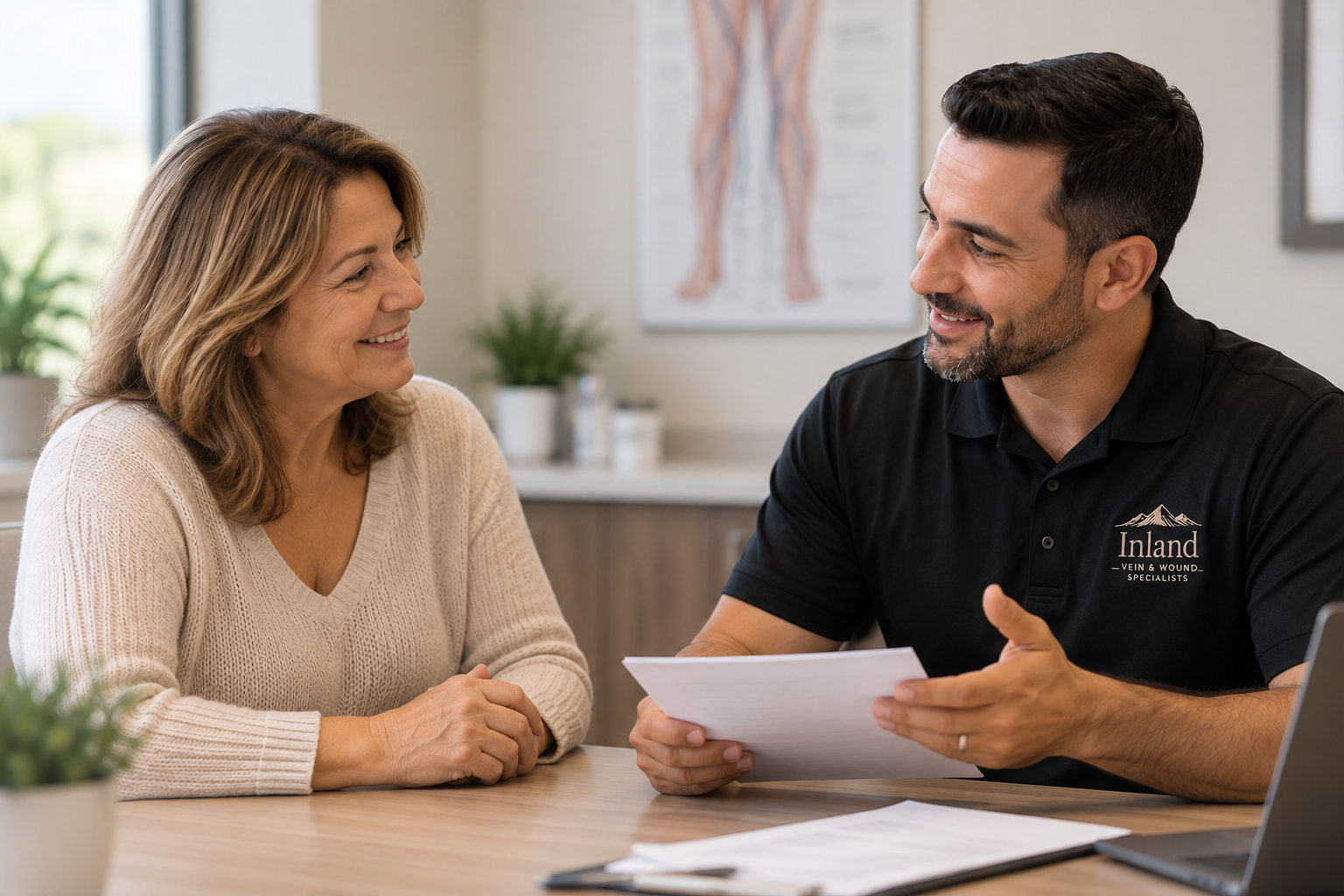
Questions about your insurance coverage?
We know insurance coverage for vein treatments can be confusing. Our team is here to help you understand your benefits and verify your coverage before your treatment.
FAQs about Vein Treatment
Wondering if your leg pain, swelling, or visible veins could be signs of vein disease? Explore answers to the questions patients ask most often before scheduling a consultation.
-
Yes! We work with Medicare, IEHP, Anthem Blue Cross, Blue Shield of California, Blue Cross Blue Shield, Aetna, Cigna, UnitedHealthcare, and more.
-
Leg heaviness and fatigue can be signs of poor blood circulation caused by vein disease. When vein valves do not function properly, blood can pool in the legs, leading to discomfort, swelling, and fatigue. A vein specialist can determine whether your symptoms are related to varicose veins or another vascular condition.
-
Varicose veins often become more visible over time, but they may also indicate an underlying circulation problem. If you notice increasing vein size, pain, swelling, or skin changes, it is a good idea to schedule a vein evaluation to identify the cause and discuss treatment options.
-
Standing for extended periods can increase pressure inside the veins of your legs. If your vein valves are weakened, blood may not flow efficiently back to the heart, causing aching, throbbing, or discomfort. A professional vein assessment can help determine whether vein disease is contributing to your symptoms.
-
Spider veins are often considered a cosmetic concern, but in some cases they may be associated with underlying venous insufficiency. A vein specialist can perform diagnostic testing to determine whether additional treatment is needed.
-
Vein disease is often progressive, meaning symptoms and visible veins may worsen over time. Some patients develop increased pain, swelling, skin discoloration, or other complications. Early evaluation can help identify the most appropriate treatment plan.
-
Daily swelling in the legs or ankles may occur when blood is not circulating properly through the veins. While swelling can have several causes, chronic vein disease is a common reason. A comprehensive vein examination can help determine the source of the problem.
-
Itching, irritation, or skin changes near varicose veins can occur when circulation problems affect the surrounding tissues. These symptoms should not be ignored, especially if they become persistent or worsen over time.
-
Many patients seek vein treatment not only to improve appearance but also to relieve symptoms such as aching, heaviness, cramping, and swelling. Modern minimally invasive procedures are designed to address the underlying circulation issues causing these symptoms.
-
If you experience leg pain, swelling, heaviness, visible veins, cramping, restless legs, or skin discoloration, a consultation with a vein specialist may be beneficial. An evaluation can help determine whether vein disease is affecting your vascular health.
-
During your initial visit, a vein specialist will review your symptoms, medical history, and perform a detailed evaluation. In many cases, an ultrasound examination is used to assess blood flow and identify any underlying vein conditions. Based on the findings, a personalized treatment plan can be recommended.
Free Vein Screening Consultation
Concerned about varicose veins, leg discomfort, or poor circulation? Fill out the form below and our team will contact you to schedule your free screening.
FREE First Vein Screening
|
FREE First Vein Screening |
❤️ Had a positive experience with our team?
Your feedback means more than you think. A few words about your experience at Inland Vein & Wound Specialists could help another patient feel more confident about taking care of their vein health.
Scan the QR code or press here to share your experience on Google.
Thank you for trusting us with your care.

Patient Information
Working Hours
To learn more about our services or arrange a consultation, please contact our office at +1 (909) 308-5989.
Business Hours:
Monday to Friday: 9:00 AM – 5:00 PM
Saturday and Sunday: Closed
Appointment Changes
If you need to cancel or reschedule your visit, we kindly request that you notify us at least 24 hours in advance. This allows us to offer the appointment slot to another patient who may be waiting for care.
Insurance Information
Many insurance providers cover treatment for symptomatic vein conditions. We work with Medicare, IEHP, Anthem Blue Cross, Blue Shield of California, Blue Cross Blue Shield, Aetna, Cigna, UnitedHealthcare, and more.
Accepted Payment Methods
We strive to make payments simple and convenient. We currently accept cash, personal checks, Visa, Mastercard, American Express, and Discover cards.



How to find us
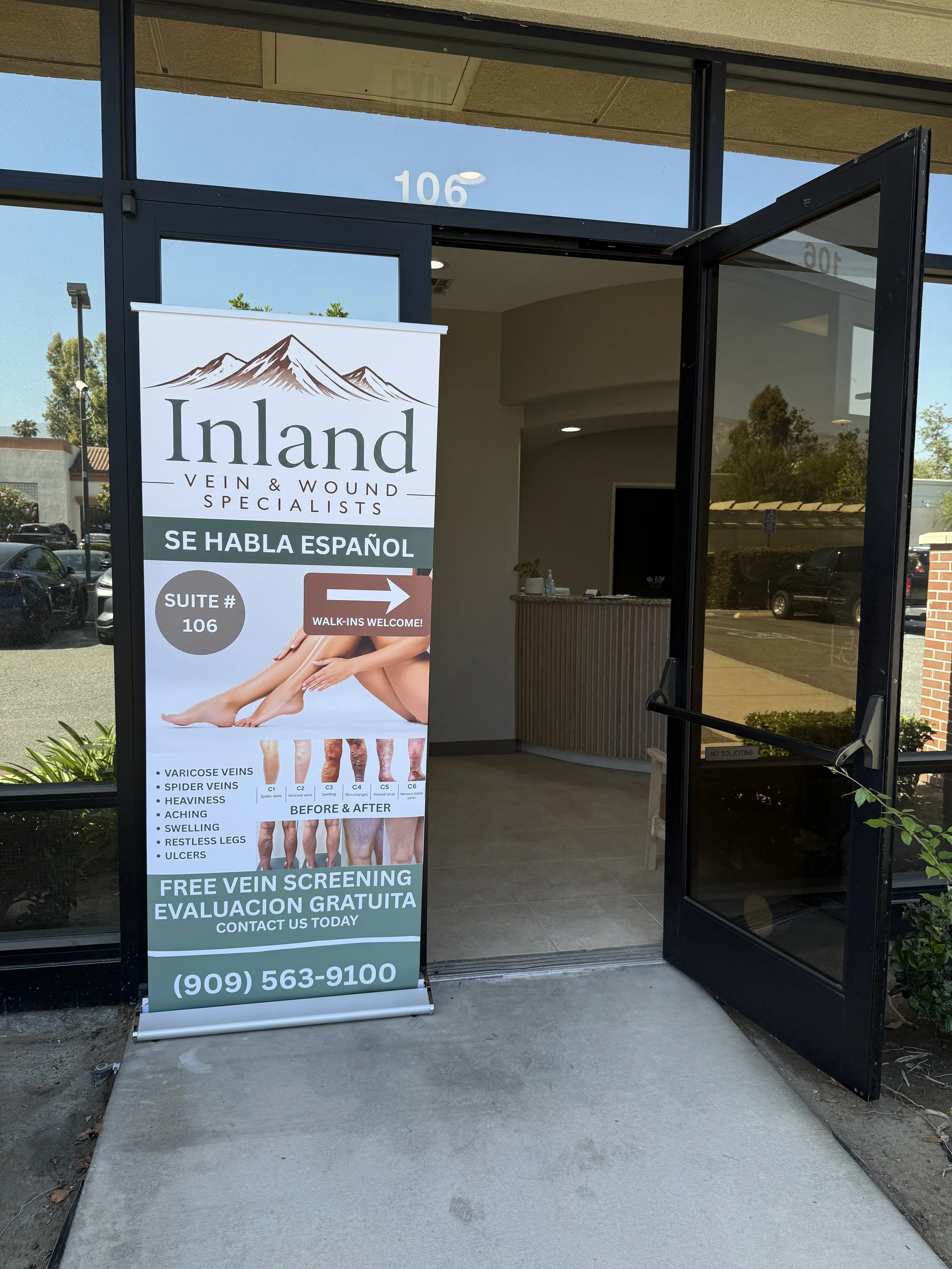
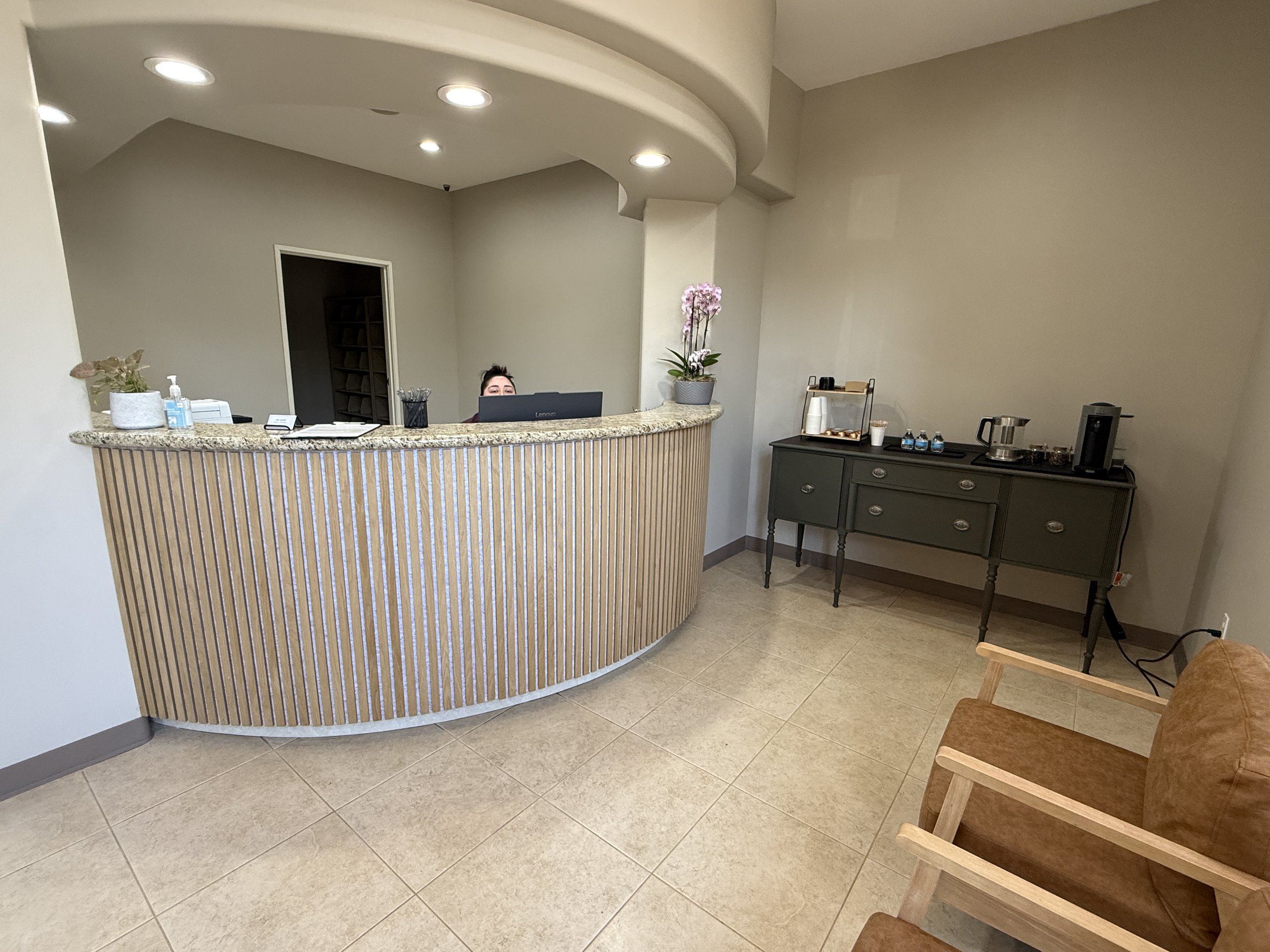
Our clinic is conveniently located at:
10801 Foothill Blvd, Suite 106 Rancho Cucamonga, CA 91730
For easy navigation, click the button below to get directions from your current location.